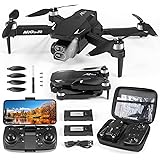
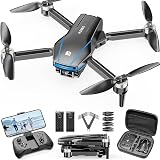
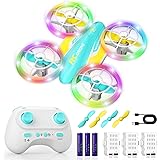
Choosing the right drone for your mission involves understanding key differences. As explained in the video above, two main types often considered are quadcopter drones and fixed-wing drones. Each offers distinct advantages for various tasks and operational needs. Decisions are best made by matching drone capabilities to your specific requirements.
Understanding Quadcopter Drones
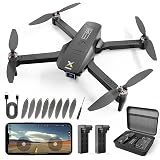
Quadcopter drones are recognized widely. They are often what comes to mind when people think of drones. These devices are known for being very portable.
Quadcopter Features and Benefits
Quadcopter drones are typically light and packable. They fit easily into bags or cases. This makes them ideal for rapid deployment in diverse locations.
They are also very versatile. A quadcopter can hover in place. This allows for detailed inspection of specific points. It is excellent for close-up work.
A gimbal is usually included. This device helps stabilize the camera. It also allows for viewing targets from many different angles. Smooth footage is achieved this way.
Imagine inspecting a tall building’s facade. A quadcopter can position its camera precisely. It can navigate tight spaces with ease. This provides critical data efficiently.
Deployment is very quick. A quadcopter can be ready in moments. This is crucial for urgent tasks like search and rescue. It supports rapid response efforts effectively.
Exploring Fixed-Wing Drones
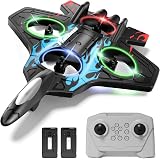
Fixed-wing drones offer different capabilities. They resemble small airplanes. Their design provides distinct operational advantages.
Fixed-Wing Drone Advantages
Fixed-wing drones take slightly longer to set up. However, they are more stable in the air. This stability helps them handle windy conditions better.
Longer flight times are a key benefit. Fixed-wing models can fly for around 90 minutes. This greatly extends their operational range. Large areas can be covered in a single flight.
Payloads can be changed on these drones. This means different sensors can be attached. For instance, a 3D camera provides detailed mapping data.
A thermal camera can also be fitted. This helps detect heat signatures. It is useful for security or agricultural analysis. Two cameras might even create a stereoscope.
Imagine surveying vast agricultural fields. A fixed-wing drone can map the entire area efficiently. It identifies crop health or irrigation issues quickly. This saves significant time and resources.
These drones are often very silent when airborne. They are also difficult to see from the ground. This makes them suitable for discrete operations. They cause minimal disturbance in sensitive environments.
Furthermore, fixed-wing drones offer much greater distance coverage. They can survey larger areas compared to quadcopters. This is invaluable for extensive mapping or infrastructure inspection projects. Long linear assets like pipelines are easily monitored.
Choosing Your Drone for Specific Missions
The choice between a quadcopter and a fixed-wing drone depends on the mission. Each drone type excels in different scenarios. Matching the drone’s strengths to the task is essential.
When to Opt for a Quadcopter
A quadcopter is chosen for agility and precise hovering. It is perfect for inspecting specific points up close. Detailed visual data is gathered effectively.
Rapid deployment is another reason. Urgent situations benefit from a quadcopter. Quick assessment of a small area is possible. It helps in immediate decision-making.
Imagine inspecting a bridge’s underbelly. A quadcopter can navigate tight spots. It provides angles impossible for ground crews. This ensures comprehensive structural assessment.
When a Fixed-Wing Drone is Preferred
Fixed-wing drones are selected for endurance and coverage. They are ideal for surveying large geographical areas. Long flight times make them efficient for extensive projects.
Stability in varied weather is another factor. They maintain smoother flight paths. This ensures consistent data collection over vast distances. High-quality aerial maps are produced.
Imagine monitoring a long stretch of coastline for erosion. A fixed-wing drone can cover many miles quickly. It gathers data on environmental changes. This supports long-term ecological studies.
The ability to change payloads is also critical. Different sensors are needed for different data types. A fixed-wing drone adapts to diverse data acquisition needs. It is a versatile tool for varied missions.
Ultimately, the specific capability required dictates the choice. Neither drone type is inherently superior. Both quadcopter drones and fixed-wing drones serve vital roles in modern aerial operations.
Mission Debrief: Your Drone Questions Answered
What are the two main types of drones discussed in the article?
The article focuses on two primary types of drones: quadcopter drones and fixed-wing drones, each suited for different operational needs.
What is a main advantage of quadcopter drones?
Quadcopter drones are very portable, can hover precisely in place, and are great for close-up inspections and navigating tight spaces due to their agility.
What are fixed-wing drones typically used for?
Fixed-wing drones are ideal for surveying large geographical areas because they offer much longer flight times and greater stability, even in windy conditions.
Can the cameras or sensors on drones be changed?
Yes, fixed-wing drones often allow for changeable payloads, meaning you can attach different sensors like thermal or 3D cameras to suit various mission requirements.