Have you ever wondered about the incredible diversity within the world of unmanned aerial vehicles? The drone industry has truly experienced a remarkable ascent over the past decade, transforming from a niche hobby into a cornerstone of various commercial and military operations. As the video above articulates, understanding the distinct drone types is crucial for appreciating their vast applications and technological marvels.
This comprehensive guide will delve deeper into the fascinating array of drone types, expanding on their unique characteristics, ideal use cases, and the underlying technological principles that define them. From the agile multi-rotor units buzzing in your local park to the formidable combat drones patrolling distant skies, each design serves a specific purpose, much like specialized tools in a vast technological workshop.
Multi-Rotor Drones: The Agile All-Rounders
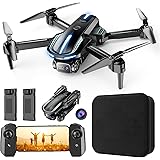
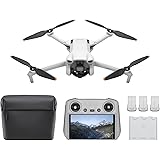
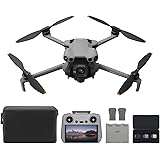
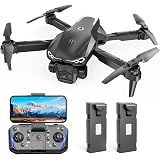
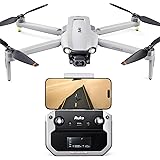
When most people picture a drone, they likely envision a multi-rotor model, characterized by its multiple propellers positioned above a compact central body. These devices are the hummingbirds of the drone world, renowned for their exceptional maneuverability and ability to perform precise vertical take-offs and landings (VTOL) and stable hovering. The individual control over each rotor allows for intricate flight patterns, making them ideal for tasks demanding high precision.
Consequently, multi-rotor drones have become ubiquitous in numerous civilian applications, excelling in areas such as aerial photography, videography, and detailed inspections of infrastructure. Their intuitive operation and relatively lower entry cost for smaller models make them a favorite among hobbyists and professional photographers alike. However, their reliance on multiple motors generally translates to shorter flight times and limited payload capacity compared to other drone types.
Fixed-Wing Drones: Endurance and Coverage
In stark contrast to their multi-rotor counterparts, fixed-wing drones emulate the design of conventional airplanes, featuring rigid wings that generate lift through forward motion. These drones are the long-distance runners of the aerial landscape, built for endurance and covering vast expanses rather than intricate acrobatics. Their aerodynamic efficiency allows for significantly longer flight times and greater ranges, often operating for several hours on a single charge or tank of fuel.
However, fixed-wing drones typically require a runway for take-off and landing, or a catapult system for launch, as they lack the vertical take-off and hover capabilities of rotor-based designs. This characteristic makes them particularly well-suited for large-scale applications such as extensive agricultural mapping, long-range surveillance, environmental monitoring, and delivering supplies to remote locations. Their stable flight path offers consistent data collection over broad areas.
Single-Rotor Helicopter Drones: Heavy Lifters of the Sky
Blending the vertical take-off prowess of rotor-based devices with capabilities for larger payloads, single-rotor helicopter drones carve out their own distinct niche. These impressive machines bear a strong resemblance to traditional manned helicopters, featuring a main rotor for lift and thrust, complemented by a tail rotor for directional control. This design enables them to launch and land vertically while also possessing the efficiency to carry substantial cargo.
Moreover, their robust construction and significant power output make them an excellent choice for demanding industrial applications, including heavy-duty inspections, cargo transport in challenging terrains, and specialized spraying operations. While typically larger and more complex to operate than multi-rotor drones, their ability to lift heavier loads and maintain sustained flight offers a compelling solution for specific commercial drone requirements. The reduced number of motors also contributes to greater fuel efficiency compared to multi-rotor configurations, despite their larger size.
Fixed-Wing Hybrid VTOL Drones: The Best of Both Worlds
Representing the cutting edge of drone technology, fixed-wing hybrid Vertical Take-Off and Landing (VTOL) drones ingeniously combine the advantages of both fixed-wing and multi-rotor designs. These innovative aircraft can launch and land vertically like a multi-rotor drone, eliminating the need for a runway, and then transition seamlessly into forward flight like a fixed-wing model. This versatility is akin to a transformer, adapting its flight mode to suit the mission’s demands.
Consequently, these hybrid hardware solutions offer extended flight times and ranges, characteristic of fixed-wing drones, coupled with the operational flexibility of VTOL systems. Such a combination makes them incredibly valuable for commercial drone uses requiring both expansive coverage and precise deployment in confined spaces. We are already observing some companies leveraging these models for advanced delivery purposes and sophisticated infrastructure inspections over vast networks.
Categorizing Drones by Size: From Pocket to Patrol
Beyond their aerodynamic configurations, drones are also frequently classified by their physical dimensions, which often correlate with their intended purpose and price point. The drone market offers everything from miniature devices that fit in your palm to colossal machines that dominate the sky. Understanding these size classifications helps to contextualize their capabilities and accessibility for various users.
Small Drones: Accessible and Versatile
In contrast to the larger, highly specialized drone types that can easily command tens or even hundreds of thousands of dollars, small drones offer remarkable accessibility. These devices, typically ranging between 20 and 80 inches long, are often available for around $100 or less, making them the entry point for many enthusiasts. Their compact size and affordability make them popular for recreational flying, educational purposes, and basic aerial photography.
Furthermore, small drones serve as an excellent training platform for aspiring pilots, allowing them to hone their skills without a significant financial commitment. Think of them as the compact cars of the drone world: nimble, user-friendly, and perfect for navigating everyday environments. While they may lack the advanced features and robust construction of their larger cousins, their widespread adoption has undoubtedly fueled the drone industry’s growth.
Micro Drones: Covert Surveillance Specialists
Shrinking the concept of aerial reconnaissance to an almost imperceptible scale, micro drones represent a distinct category defined by their extremely small size, often measuring just a few inches. While small drones cater to recreation, micro drones are almost exclusively designed for highly specialized, often covert, operations. Their diminutive stature makes them incredibly difficult to detect, offering unparalleled discretion in sensitive environments.
The most widely recognized example of this advanced drone type in action is the Black Hornet, manufactured for the British military, which is no bigger than a human thumb. These tiny marvels provide soldiers with invaluable real-time situational awareness, acting as an extension of their senses in dangerous urban or confined spaces. Their primary function is to gather intelligence and provide surveillance, operating much like a robotic fly on the wall.
Military Drone Applications: Precision and Power
The role of drones in military operations has expanded dramatically, introducing a new era of intelligence gathering, reconnaissance, and combat capabilities. These advanced unmanned aircraft systems have transformed modern warfare, offering strategic advantages and reducing risks to human personnel. The spectrum of military drone types spans from discreet observation tools to heavily armed combat platforms.
Tactical Drones: Eyes in the Sky for Ground Forces
Tactical drones are purpose-built for close-range intelligence, surveillance, and reconnaissance (ISR) missions, providing invaluable support to ground troops. These drones, like the Ravens, are designed to be relatively portable and easy to deploy, acting as the vigilant eyes of a patrolling scout. They are frequently outfitted with sophisticated sensor payloads, including high-resolution visible-light cameras and specialized infrared cameras, which allow them to supply soldiers with accurate pictures of an area, even under the cover of darkness.
Consequently, tactical drones significantly enhance situational awareness on the battlefield, helping to identify threats, monitor enemy movements, and assess terrain conditions in real-time. Their ability to hover silently and observe targets from a safe distance makes them indispensable assets for both offensive and defensive operations, much like an eagle providing an aerial perspective to a ground team.
Large Combat Drones: Unmanned Powerhouses
When the term “drone” evokes a military image, it is often the large combat drones that come to mind. These formidable aircraft, such as the Predator and Reaper variants utilized by the US military, are substantial machines, typically around 36 feet long, and represent the pinnacle of unmanned aerial combat technology. They are engineered for sustained flight over long distances and possess the capacity to carry and deploy precision weaponry.
Equipped with sophisticated targeting systems, these large combat drones are capable of engaging targets with a variety of munitions, including air-to-surface missiles and laser-guided bombs. They serve as aerial battleships, projecting power and precision from above, and have become instrumental in intelligence gathering, target acquisition, and strike missions in conflict zones globally. Their deployment underscores the transformative impact of advanced drone types on modern military strategies and operations.
Answers on the Fly: Your Drone Type Q&A
What is a drone?
Drones are unmanned aerial vehicles (UAVs) that have transformed from a hobby into important tools for commercial, recreational, and military uses.
What are the most common types of drones?
The most common types are multi-rotor drones, which have multiple propellers, and fixed-wing drones, which resemble traditional airplanes.
What are multi-rotor drones typically used for?
Multi-rotor drones are known for their excellent maneuverability and hovering ability, making them ideal for aerial photography, videography, and detailed inspections.
How are fixed-wing drones different from multi-rotor drones?
Fixed-wing drones are designed for long endurance and covering vast areas, like an airplane, but often need a runway for take-off and landing.
Can drones be different sizes?
Yes, drones come in many sizes, from small micro-drones that fit in your hand to large combat drones used by the military.