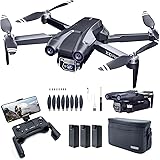
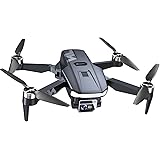
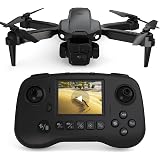
The video clip above presents a compelling, albeit swift, verdict: a 3D printed drone emerges victorious when pitted against a commercially manufactured “real” drone. This bold declaration challenges conventional wisdom and invites a deeper exploration into the world of custom-built, 3D printed aerial vehicles. The reality is multifaceted, with both approaches offering distinct advantages depending on your goals, skill level, and budget.
The Growing Appeal of 3D Printed Drones
A 3D printed drone is essentially an unmanned aerial vehicle (UAV) where a significant portion of its frame or components are created using a 3D printer. This innovative approach allows hobbyists and makers to move beyond off-the-shelf options, delving into the fascinating intersection of additive manufacturing and flight technology. Consequently, individuals can gain unparalleled control over design and functionality.
These custom builds are not merely curiosities; they represent a significant shift in how enthusiasts engage with drone technology. Furthermore, the availability of affordable 3D printers and a vast online community sharing designs and knowledge has fueled this burgeoning trend. Therefore, many are now exploring the potential of creating their very own flying machines from the ground up.
Advantages of Choosing a 3D Printed Drone
Opting to build a 3D printed drone offers several compelling benefits that often outweigh the initial investment in time and effort. These advantages primarily revolve around customization, cost-effectiveness, and the invaluable learning experience gained. Moreover, the ability to rapidly prototype and iterate on designs is a game-changer for inventors and hobbyists alike.
Unmatched Customization and Versatility
One of the most significant benefits of a 3D printed drone lies in its inherent customizability. Unlike commercial drones that come with fixed designs, a 3D printed model allows for precise tailoring to specific needs. For instance, you can design a frame to carry unique payloads, integrate specialized sensors, or optimize for particular flight characteristics such as speed or endurance. This level of personalized engineering is virtually impossible with pre-built models.
Cost-Effectiveness in Building and Repair
While the initial cost of purchasing a commercial drone can be substantial, building a 3D printed drone can be surprisingly economical. The primary materials—3D printer filament—are relatively inexpensive, especially compared to the proprietary components of branded drones. More importantly, when a 3D printed drone inevitably crashes, individual parts can be reprinted and replaced for mere pennies, rather than buying expensive replacement parts or an entirely new unit. This significantly reduces long-term maintenance costs and encourages bolder flight experiments.
A Rich Learning Experience
Constructing a 3D printed drone provides an unparalleled educational journey into engineering, electronics, aerodynamics, and software. You gain hands-on experience in selecting components like motors, electronic speed controllers (ESCs), and flight controllers, understanding how they integrate. Moreover, you learn about structural design, material properties, and the principles of flight. This comprehensive learning process empowers individuals with practical skills far beyond simply flying a drone.
Rapid Prototyping and Iteration
The iterative design process is streamlined with 3D printing. If a design flaw is discovered during testing, or if an improvement is desired, new parts can be quickly modeled and printed. This rapid prototyping allows for constant refinement and experimentation, enabling creators to push the boundaries of drone design without significant financial risk. Consequently, designs can evolve quickly, leading to more robust and optimized flight performance.
Common 3D Printing Materials for Drones
The choice of filament significantly impacts the drone’s durability, weight, and flight characteristics. Polylactic Acid (PLA) is popular for its ease of printing and rigidity, suitable for structural components not subject to extreme stress. Acrylonitrile Butadiene Styrene (ABS) offers better heat resistance and strength, albeit with more challenging printing requirements. Polyethylene Terephthalate Glycol (PETG) provides a good balance of strength, flexibility, and ease of printing, making it a versatile choice. Furthermore, Thermoplastic Polyurethane (TPU) is excellent for flexible parts like landing gear or camera mounts, absorbing impacts effectively.
Where Commercial Drones Maintain Their Edge
Despite the growing enthusiasm for 3D printed drones, commercial drones, often referred to as “real” drones, still offer distinct advantages that make them the preferred choice for many users. These benefits typically center around convenience, advanced features, and established reliability.
Ready-to-Fly Convenience and Ease of Use
Commercial drones are designed for immediate use, often arriving as ready-to-fly (RTF) packages. This convenience means users can unbox, charge, and fly within minutes, requiring minimal technical expertise. In contrast, building a 3D printed drone demands considerable time, effort, and technical knowledge. Therefore, for those who prioritize immediate functionality over the building process, commercial options are superior.
Advanced Features and Integrated Systems
Many commercial drones boast sophisticated integrated features, such as advanced GPS navigation, obstacle avoidance sensors, high-quality stabilized cameras, and intelligent flight modes. These features are meticulously engineered and extensively tested, providing a seamless user experience. Replicating such advanced functionalities in a custom 3D printed drone can be exceptionally challenging and costly, requiring complex electronics integration and software development.
Proven Durability and Reliability
Commercial drones undergo rigorous design, manufacturing, and quality control processes, resulting in robust and reliable products. Their frames are often made from high-strength composites or aerospace-grade aluminum, offering superior durability and crash resistance compared to typical 3D printed plastics. Additionally, these drones come with warranties and established customer support, providing peace of mind to the user.
Navigating the Trade-offs: 3D Printed vs. Commercial
The decision between a 3D printed drone and a commercial drone ultimately hinges on an individual’s priorities and capabilities. Each option presents a unique set of trade-offs regarding performance, investment, and user experience.
Performance and Flight Characteristics
Commercial drones are typically optimized for specific flight characteristics, offering stable flight, precise control, and often longer flight times due to optimized propulsion systems. While a well-designed 3D printed drone can perform admirably, achieving the same level of refined aerodynamics, weight distribution, and power efficiency often requires significant trial and error. Moreover, the performance of a 3D printed drone is directly tied to the builder’s design and assembly quality.
Investment of Time and Effort
Purchasing a commercial drone requires a financial investment, but minimal time investment beyond learning to fly. Conversely, building a 3D printed drone demands a substantial investment of time and intellectual effort. This includes designing, printing, assembling, wiring, and configuring the electronics and software. For dedicated hobbyists, this process is part of the enjoyment; for others seeking quick aerial photography, it might be a barrier.
Building Your Own 3D Printed Drone: Key Considerations
Embarking on the journey of building a 3D printed drone requires more than just a 3D printer. Prospective builders need to consider several key components and safety practices to ensure a successful and safe flight. Consequently, a systematic approach is essential for optimal results.
Essential Components
Beyond the 3D printed frame, a drone requires several critical electronic components. These include brushless motors for propulsion, Electronic Speed Controllers (ESCs) to manage motor power, a Flight Controller (FC) which acts as the drone’s brain, a battery (typically LiPo), a radio transmitter and receiver for control, and propellers. Selecting compatible components is crucial for optimal performance and safety. Moreover, understanding the power requirements and wiring schematics is paramount.
Software and Firmware
Once the hardware is assembled, software configuration is necessary. This involves flashing firmware onto the flight controller (e.g., Betaflight, ArduPilot, Cleanflight) and calibrating sensors and motors. Learning these software tools is a significant part of the building process and allows for fine-tuning flight characteristics. Furthermore, slicing software is required to prepare 3D models for printing, translating them into instructions for the 3D printer.
Safety Precautions
Operating drones, whether commercial or 3D printed, requires adherence to safety guidelines. Always fly in open areas away from people and property, ensure batteries are properly charged and handled, and routinely inspect your drone for damage. With a 3D printed drone, extra vigilance is needed to ensure all connections are secure and printed parts are free of defects. Understanding local drone regulations is also critical for responsible operation.
Is a 3D Printed Drone the Right Choice for You?
The question of whether a 3D printed drone is “better” ultimately depends on your individual needs and aspirations. If you are an enthusiast who enjoys tinkering, learning about electronics and aerodynamics, and desires complete control over your drone’s design and functionality, then a 3D printed drone offers an incredibly rewarding experience. It provides a platform for endless customization, cost-effective repairs, and a profound understanding of how these machines operate. However, if your priority is immediate, hassle-free flight with advanced pre-built features and reliable performance straight out of the box, a commercial drone is likely a more suitable choice.
Ultimately, the rise of the 3D printed drone democratizes aerial technology, allowing more individuals to participate in the design and construction of flying machines. The ability to innovate, customize, and repair with readily available resources truly gives the 3D printed drone a unique advantage in the evolving landscape of personal flight.
From Filament to Flight: Your Drone Questions Answered
What is a 3D printed drone?
A 3D printed drone is an unmanned aerial vehicle (UAV) where a significant portion of its frame or components are created using a 3D printer. This allows hobbyists to have greater control over its design and functionality.
What are the main advantages of choosing a 3D printed drone?
The key advantages of a 3D printed drone are its unmatched customization options, cost-effectiveness for building and repairs, and the valuable learning experience gained during its construction.
Why might someone choose a commercial (store-bought) drone over a 3D printed one?
Commercial drones are often preferred for their ready-to-fly convenience and ease of use, sophisticated integrated features like GPS, and proven durability and reliability with customer support.
What common materials are used to 3D print drone parts?
Common 3D printing materials for drones include PLA for rigidity, ABS for strength and heat resistance, PETG for a balance of both, and TPU for flexible parts like landing gear that absorb impacts.