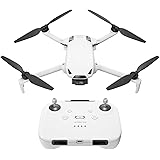
Are you considering how the next generation of logistics will be shaped by aerial innovation? As highlighted in the accompanying video, the landscape of cargo transport is experiencing a transformative shift, particularly with the advent of advanced unmanned aerial vehicles (UAVs). Among these, the **hybrid VTOL drone** stands out as a pioneering solution, promising to redefine efficiency and accessibility in cargo delivery. Companies like Amber Wings are making significant strides in developing these cutting-edge VTOL (Vertical Take-Off and Landing) drones, specifically engineered to meet the unique demands of both mid-mile and last-mile cargo transport challenges.
Understanding the Hybrid VTOL Drone for Cargo Transport
The concept of a **hybrid VTOL drone** represents a sophisticated fusion of traditional fixed-wing aircraft capabilities with the vertical maneuverability of multi-rotor drones. This innovative design allows the drone to take off and land vertically, eliminating the need for runways, while also transitioning to horizontal flight for efficient, high-speed travel over longer distances. Consequently, operational flexibility is significantly enhanced, allowing for deployment in diverse environments ranging from urban centers with limited space to remote, undeveloped areas.
The Mechanics of Hybrid Propulsion
Hybrid propulsion systems typically combine an electric battery for vertical lift and a fuel-based engine (often gasoline or hydrogen fuel cell) for horizontal cruise flight. This amalgamation is carefully designed to overcome the inherent limitations of purely electric VTOL drones, which are often constrained by battery life and payload capacity over extended ranges. With a hybrid system, the range and payload capabilities are substantially increased, making these drones viable contenders for commercial cargo operations where sustained flight and substantial carrying capacity are critical. Furthermore, the ability to recharge batteries during cruise flight using the internal combustion engine is often incorporated, thereby extending endurance.
Advantages of VTOL Technology in Logistics
Vertical Take-Off and Landing (VTOL) capability is a game-changer for logistics. Traditional fixed-wing aircraft require considerable infrastructure, including lengthy runways and designated airfields, which are often unavailable near the precise points of cargo origin or destination. By contrast, VTOL drones merely require a small, open space for landing and take-off, such as a rooftop, a parking lot, or a clearing. This inherent flexibility means that cargo can be delivered much closer to its final recipient, reducing the reliance on ground-based transport for the initial or final legs of a journey. Consequently, delivery times are shortened, and the overall complexity of the supply chain can be drastically simplified.
Addressing Mid-Mile and Last-Mile Delivery Challenges
The logistics industry is constantly seeking ways to optimize its supply chain, particularly in the “mid-mile” and “last-mile” segments, which are known for their operational complexities and high costs. **Hybrid VTOL drones** are being specifically developed to address these persistent issues.
Optimizing Mid-Mile Logistics with Drones
Mid-mile logistics refers to the movement of goods between distribution centers, warehouses, or regional hubs. This segment often involves larger volumes of cargo being transported over moderate distances, sometimes spanning difficult terrain or congested routes. Traditional methods can be time-consuming and expensive, especially with fluctuating fuel costs and driver shortages. When a **hybrid VTOL drone** is employed, goods can be rapidly moved between facilities, bypassing traffic congestion and geographical barriers. For instance, packages might be flown from a primary sorting facility to a smaller, localized hub in a matter of minutes, a journey that could take hours by road. Moreover, the enhanced speed and direct routing contribute to a significant reduction in transit times and operational expenditures, which is a key consideration for efficiency-driven businesses.
Revolutionizing Last-Mile Delivery
The last mile is perhaps the most challenging and costly part of the supply chain, representing the final leg of delivery from a transportation hub to the consumer’s doorstep. This segment is characterized by fragmented routes, frequent stops, and often unpredictable urban or rural environments. The use of drones for last-mile delivery has been a widely discussed topic, and hybrid VTOL technology is particularly well-suited for this application. Packages can be swiftly dispatched from a local micro-fulfillment center directly to a designated landing zone near the customer. This method bypasses traffic, minimizes human error, and provides an unprecedented level of speed and convenience. It is expected that the integration of such drone systems will alleviate pressure on existing delivery networks, especially in dense urban areas or for urgent shipments.
The Technological Edge: What Makes These Drones So Effective?
The effectiveness of modern **hybrid VTOL drones** is attributed to a combination of advanced engineering, sophisticated avionics, and intelligent design. These elements work in concert to deliver reliable, efficient, and safe cargo transport solutions.
Advanced Autonomy and Navigation
Modern cargo drones are often equipped with highly advanced autonomous flight systems. These systems allow drones to navigate complex routes, avoid obstacles, and execute precise take-offs and landings without constant human intervention. GPS, inertial navigation systems (INS), lidar, radar, and vision-based sensors are integrated to create a robust awareness of the drone’s surroundings. Consequently, flights can be planned and executed with a high degree of precision, ensuring packages arrive at their intended destination safely and efficiently. Furthermore, real-time data on weather conditions and air traffic can be processed, which allows for dynamic route adjustments.
Payload Capacity and Endurance
A crucial factor for any cargo solution is its ability to carry a substantial payload over a meaningful distance. While specific capacities vary by model and manufacturer, **hybrid VTOL drones** are designed to optimize this balance. The hybrid propulsion system directly contributes to superior endurance compared to purely electric models, which is particularly beneficial for mid-mile routes. Payloads can range from several kilograms for last-mile deliveries to potentially hundreds of kilograms for larger mid-mile operations, depending on the drone’s size and design specifications. This capacity is critical for making drone cargo transport economically viable.
Safety and Regulatory Considerations
Safety is paramount in any aerial operation. **Hybrid VTOL drones** are being developed with multiple layers of redundancy for critical systems, including propulsion, navigation, and communication. Features such as automatic return-to-base functions, emergency landing protocols, and parachute deployment systems are routinely incorporated. Simultaneously, regulatory frameworks for drone operations are continuously evolving. Aviation authorities globally are working to establish comprehensive rules for beyond visual line of sight (BVLOS) flights and the integration of drones into national airspace. This evolving regulatory landscape is actively being addressed by drone developers to ensure compliance and foster safe operational environments.
The Broader Impact of Drone Cargo Transport
The rise of **hybrid VTOL drone** technology extends beyond mere delivery; it has broader implications for economic development, environmental sustainability, and disaster response.
Economic Benefits and Efficiency Gains
The introduction of drone cargo transport is expected to unlock significant economic benefits. Businesses can anticipate reduced operational costs associated with fuel consumption, vehicle maintenance, and labor for certain delivery segments. The speed and efficiency offered by drones can lead to faster inventory turns, fresher goods, and a more responsive supply chain. This is particularly advantageous for industries dealing with perishable goods, urgent medical supplies, or high-value components where timely delivery is critical. New job opportunities within drone manufacturing, operation, maintenance, and data analysis are also being created.
Environmental Considerations
While hybrid systems still utilize some form of fuel, they are often more fuel-efficient per package delivered over certain routes when compared to traditional ground vehicles caught in traffic. Moreover, research and development are consistently focused on optimizing fuel efficiency and exploring alternative fuels, such as hydrogen, to reduce carbon footprints. Electric VTOL drones, or fully electric segments of hybrid flight, also offer the potential for zero local emissions and reduced noise pollution, especially pertinent for last-mile deliveries in urban settings. It is considered that the strategic deployment of these drones will contribute to more sustainable logistics practices.
Applications Beyond Commercial Logistics
The utility of **hybrid VTOL drones** extends far beyond commercial cargo. These versatile platforms can be deployed for humanitarian aid, delivering essential supplies to disaster-stricken areas where traditional infrastructure has been compromised. They can also support search and rescue operations, transport medical samples between hospitals, or assist in delivering crucial components to remote industrial sites. The flexibility and speed of VTOL technology make it an invaluable asset in scenarios where traditional transport methods are either too slow, too dangerous, or simply impossible.
Hovering for Answers: Your Compact Hybrid VTOL Drone Q&A
What is a hybrid VTOL drone?
A hybrid VTOL drone combines the ability to take off and land vertically like a helicopter with the efficient long-distance flight of a plane. It uses a mix of electric power for vertical lift and fuel for horizontal travel.
What does ‘VTOL’ mean and why is it important for cargo drones?
VTOL stands for Vertical Take-Off and Landing. This allows the drone to take off and land in small spaces without a runway, making it ideal for delivering cargo closer to its final destination in diverse environments.
How do hybrid VTOL drones help with cargo delivery?
These drones help by efficiently transporting goods between distribution centers (mid-mile) and directly to customers (last-mile). They can bypass traffic and difficult terrain, significantly reducing delivery times and costs.
What kind of power system do hybrid VTOL drones use?
Hybrid VTOL drones typically use a combination of an electric battery for vertical lift and a fuel-based engine for horizontal cruise flight. This hybrid system provides greater range and payload capacity compared to purely electric drones.