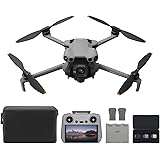
The visual demonstration of an advanced agricultural spray drone, as featured in the video above, underscores a significant evolution in farm management practices. Traditionally, crop spraying has been associated with challenges such as uneven application, substantial labor requirements, and the environmental impact of chemical runoff. These issues often culminate in reduced efficacy and increased operational expenditures for growers. However, a transformative solution has emerged in the form of sophisticated drone technology, offering unparalleled precision and efficiency in agrochemical application.
The Transformative Power of Agriculture Spray Drones
Modern farming operations are continually seeking methods to enhance productivity while minimizing input costs and environmental footprint. The integration of agriculture spray drones into daily routines represents a pivotal step towards achieving these objectives. Benefits are realized across multiple facets of farm management, from resource optimization to improved worker safety.
Unmatched Precision and Application Accuracy
One of the primary advantages conferred by the use of an agriculture spray drone is its ability to deliver precise and uniform application of various liquids, including pesticides, herbicides, fungicides, and liquid fertilizers. Equipped with RTK (Real-Time Kinematic) or PPK (Post-Processed Kinematic) GPS systems, these drones achieve centimeter-level positioning accuracy. This level of precision ensures that chemicals are deposited exactly where needed, minimizing drift and waste.
Furthermore, variable rate application (VRA) capabilities are frequently integrated. This allows for the adjustment of spray volume and concentration based on real-time data or pre-programmed prescription maps derived from multispectral drone imagery or soil sample analysis. For instance, areas identified with higher pest pressure can receive a more concentrated treatment, while healthier sections are treated more lightly. Such targeted application strategies have been shown to reduce chemical consumption by as much as 20-30% in specific use cases, directly impacting cost savings and environmental safety.
Enhanced Operational Efficiency and Cost Savings
The operational efficiency gains realized through drone spraying are substantial. A single agriculture spray drone is capable of covering significant acreage in a fraction of the time required by traditional methods, such as ground-based sprayers or manned aircraft. For example, a high-capacity spray drone, sometimes featuring a 10-30 liter payload, can effectively treat 10-15 acres per hour depending on flight speed and spray width. This directly translates into reduced labor hours, lower fuel consumption for heavy machinery, and significantly expedited treatment cycles, especially critical during narrow application windows.
Moreover, the agility of drones allows for access to difficult-to-reach terrain, such as steep slopes or waterlogged fields, where conventional machinery might struggle or cause soil compaction. This accessibility ensures timely treatment across the entire farm, preventing potential crop losses that could arise from delayed intervention.
Key Features and Technological Advancements in Spray Drones
The “best agriculture spray drone” is not merely defined by its spraying capabilities but by an amalgam of advanced features that contribute to its overall performance and utility. Selection criteria often involve a deep dive into these specifications.
- Payload Capacity: The volume of liquid a drone can carry directly influences its efficiency. Models typically range from 5 liters for smaller operations to over 30 liters for large-scale commercial applications.
- Battery Life and Charging Speed: Extended flight times and rapid battery swap systems are crucial for continuous operation. Many systems now feature intelligent battery management and multi-charger hubs to minimize downtime.
- Intelligent Flight Modes: Features like autonomous flight planning, terrain following radar, and obstacle avoidance systems allow drones to operate safely and effectively with minimal pilot intervention. Waypoint navigation and A-B route mapping are standard.
- Nozzle Technology: Specialized nozzles, including centrifugal atomizing nozzles or pressure nozzles, are designed to optimize droplet size for superior coverage and reduced drift, adapting to different chemical viscosities and application requirements.
- Durability and Weather Resistance: Agricultural drones are constructed to withstand harsh environmental conditions, often boasting IP67 ratings for dust and water resistance, essential for outdoor field operations.
Navigating Regulations and Ensuring Safe Operations
The deployment of any agriculture spray drone necessitates adherence to relevant aviation regulations, which can vary significantly by region. In the United States, commercial drone operations, including agricultural spraying, are governed by the Federal Aviation Administration (FAA) Part 107 regulations. This typically requires operators to obtain a Remote Pilot Certificate. Furthermore, specific state and local regulations pertaining to pesticide application and airworthiness may also apply. Ensuring all necessary permits and certifications are in place is a critical prerequisite for safe and legal drone spraying operations.
Safety protocols are also paramount. Pre-flight checks, regular maintenance schedules, and robust pilot training programs are implemented to mitigate risks. Modern drones often incorporate redundant systems for flight control and power, enhancing reliability and operational security.
Implementing Drone Spraying: Considerations for Growers
For growers contemplating the adoption of drone spraying technology, several factors must be carefully weighed to ensure a successful integration and a positive return on investment (ROI).
Initial capital outlay for an agriculture spray drone system can be significant, encompassing the drone itself, batteries, charging equipment, and potentially a mapping drone. However, this cost is often quickly offset by the reduction in labor, fuel, and chemical expenses, alongside the potential for increased yields due to more effective crop protection. A thorough cost-benefit analysis, tailored to the specific farm size, crop types, and existing operational costs, is strongly recommended.
Integration with Existing Farm Management Systems
The true power of an agriculture spray drone is often unlocked when it is seamlessly integrated into a broader precision agriculture ecosystem. Data collected by drones—such as orthomosaic maps, NDVI (Normalized Difference Vegetation Index) data, and other spectral analyses—can be fed into farm management software. This allows for comprehensive data visualization and advanced analytics, which in turn inform better decision-making regarding nutrient application, irrigation, and pest management strategies. The ability to cross-reference spray logs with yield data, for instance, provides invaluable insights into the efficacy of different treatments and helps refine future protocols.
The Future Landscape of Drone Technology in Agriculture
The evolution of agricultural drone technology shows no signs of slowing. Future iterations of the agriculture spray drone are anticipated to feature even greater autonomy through advanced AI, enhanced sensor fusion for real-time diagnostics, and swarm intelligence capabilities, where multiple drones operate cohesively to cover vast areas more rapidly. Further integration with IoT devices and big data analytics will likely create hyper-personalized treatment plans for individual plants or micro-zones within fields, pushing the boundaries of precision agriculture even further. The ongoing advancements underscore a shift towards more intelligent, sustainable, and economically viable farming practices facilitated by drone innovation.
Harvesting Answers: Your Spray Drone Q&A
What is an agriculture spray drone?
An agriculture spray drone is an advanced unmanned aerial vehicle designed to precisely apply liquids such as pesticides, herbicides, fungicides, and fertilizers to crops. This technology helps make farming more efficient and accurate.
What are the main benefits of using agriculture spray drones?
The primary benefits include unmatched precision in applying chemicals, which reduces waste and environmental impact. They also enhance operational efficiency, leading to cost savings on labor, fuel, and chemical consumption, and can access difficult terrain.
What types of liquids can agriculture spray drones apply to crops?
Agriculture spray drones are designed to deliver precise applications of various liquids, including pesticides, herbicides, fungicides, and liquid fertilizers to crops.
Are there specific rules or regulations for flying agriculture spray drones?
Yes, operating agriculture spray drones requires adherence to aviation regulations, such as the FAA Part 107 rules in the United States, which often require operators to obtain a Remote Pilot Certificate. It’s also important to check state and local regulations for pesticide application.