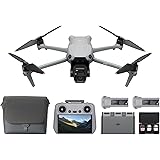
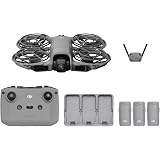
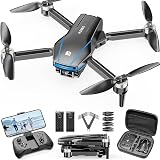
We’ve all been there, haven’t we? That giddy excitement of unboxing a brand-new gadget, the anticipation of its first use, and then the inevitable learning curve. When it comes to the world of drones, this journey often begins with a series of clicks and whirs, culminating in exhilarating flights and, for many, an eventual, heart-stopping thud. The short video above, despite its brevity, perfectly captures this universal experience: the meticulous assembly, the graceful ascent, and the sudden, gravity-defying crash.
Far from just a fleeting moment, this visual narrative offers a potent reminder of both the thrill and the challenge of drone ownership. It underscores why understanding your drone—from its initial setup to its flight dynamics and potential pitfalls—is absolutely crucial. Let’s delve deeper into what this journey entails, transforming those brief visual cues into actionable insights for every drone enthusiast.
The Genesis of Flight: Assembling Your Drone for Success
The satisfying “clicking and whirring” sounds in the video aren’t just background noise; they represent the foundational step in any drone’s life cycle: assembly. This initial stage is often overlooked, but it’s paramount to ensuring a safe and successful flight. Many beginners rush through this process, eager to get their drone airborne, only to encounter problems later.
Proper assembly begins with a thorough read of your drone’s manual. Each drone model has unique components and specific instructions that must be followed precisely. Attaching propellers correctly, ensuring the battery is fully charged and securely seated, and verifying any landing gear or camera gimbals are locked in place are critical steps. A loose propeller or an improperly connected power source can lead to immediate flight instability or even a catastrophic failure. Take your time, double-check every connection, and approach assembly with the same precision you’d expect from the drone itself.
Initial Setup and Pre-Flight Checks for Your Drone
Beyond physical assembly, the digital setup of your drone is equally important. This often involves downloading the manufacturer’s app, calibrating the compass, and ensuring the firmware is up to date. These steps optimize the drone’s sensors and communication systems, which are vital for stable flight.
Before every flight, conduct a comprehensive pre-flight checklist. Inspect the drone’s frame for any cracks, check the propellers for nicks or damage, and confirm the battery level. Verify that your controller is charged, and its joysticks move freely. Environmental checks are also crucial: assess wind speed and direction, look for potential obstacles, and ensure you have clear line of sight. These simple habits can prevent many common drone issues before they even begin.
Mastering the Skies: Essential Drone Flying Techniques
The captivating “whirring of drone propellers” and “drone flying sounds” in the video symbolize the freedom and exhilaration of aerial exploration. But behind every smooth flight is a pilot who has dedicated time to practice and understand their craft. Learning to fly a drone isn’t just about pushing sticks; it’s about developing muscle memory, spatial awareness, and an intuitive understanding of your aircraft’s behavior.
Start with basic maneuvers in an open, obstacle-free environment. Practice taking off and landing smoothly, hovering in place, and performing gentle turns. Gradually introduce more complex movements like flying in a square or figure-eight pattern. Many modern drones come with beginner modes or flight simulators within their apps, which are excellent tools for building confidence without the risk of an actual crash. Consistency is key; short, regular practice sessions are more effective than infrequent, long ones.
Environmental Awareness and Safe Drone Operation
A successful drone flight depends heavily on your awareness of the surrounding environment. Wind, in particular, is a drone’s nemesis, capable of pushing lighter models off course or even causing them to crash. Always check local weather conditions, paying close attention to wind gusts, before launching your drone.
Identify potential hazards like trees, power lines, buildings, and bodies of water. Maintain a safe distance from people and animals, and always be aware of local regulations regarding airspace and privacy. Responsible drone piloting isn’t just about protecting your investment; it’s about ensuring the safety of others and respecting privacy laws. Remember, you are operating a powerful flying machine, and safety should always be your top priority.
The Inevitable Descent: Understanding Why Drones Crash
The abrupt “thud and clatter” of the drone falling and disassembling in the video is a stark, albeit common, reality for many pilots. Drone crashes can be frustrating and costly, but they are also invaluable learning opportunities. Understanding the common culprits behind these incidents is the first step toward preventing them.
One of the most frequent reasons for a drone crash is simply pilot error. Overconfidence, attempting complex maneuvers before mastering the basics, or momentary lapses in concentration can all lead to disaster. Losing line of sight, misjudging distances, or failing to react quickly to an unexpected gust of wind are classic examples. It’s crucial to always fly within your skill limits and gradually push boundaries as your proficiency grows.
Common Causes of Drone Crashes Beyond Pilot Error
Beyond human factors, environmental conditions play a significant role. Strong winds can overpower a drone’s motors, leading to a loss of control. Flying too close to large metal structures or under dense tree cover can interfere with GPS signals, causing the drone to drift or lose its precise positioning. Rain or extreme cold can also negatively impact electronic components and battery performance, increasing the risk of a crash.
Equipment malfunction is another potential cause. This could range from a faulty motor, a broken propeller (often a result of minor previous impacts), or a battery suddenly losing power. Signal interference between the controller and the drone can also lead to a flyaway or loss of control. Regular maintenance and careful inspection of your drone can help mitigate these risks, but it’s important to be aware that even well-maintained equipment can sometimes fail.
Rising from the Rubble: Drone Maintenance and Crash Prevention
After witnessing a drone crash, like the one in the video, the immediate thought is often about the damage. However, a crash doesn’t always spell the end for your drone. Post-crash assessment and diligent maintenance are crucial for getting your drone back in the air or, more importantly, preventing future incidents.
Begin by carefully inspecting your drone after any hard landing. Check the frame for cracks, motors for resistance or unusual sounds, and propellers for any chips or bends. Test all gimbal movements and ensure the camera lens is intact. Even minor damage can affect flight performance. Replace any damaged parts immediately; flying with compromised components is a recipe for another crash.
Proactive Measures for Longevity and Safe Drone Flights
Preventative maintenance is the cornerstone of responsible drone ownership. Regularly clean your drone, removing any dust or debris from motors and sensors. Keep your drone’s firmware updated to ensure you have the latest flight stability and safety features. Pay particular attention to battery health; store them properly, avoid overcharging or fully discharging them, and replace them when they show signs of degradation. A healthy battery is vital for consistent power delivery and avoiding unexpected power losses mid-flight.
Finally, continuous learning is your best defense against future crashes. Review your flight logs to identify patterns or mistakes. Watch tutorials, join online drone communities, and learn from the experiences of others. Every flight, successful or not, offers valuable lessons that contribute to becoming a more skilled and safer drone pilot. Embrace the learning process, and your drone journey will be filled with more triumphant flights than unfortunate thuds.
Drone Bytes: Your Quick Q&A
Why is it important to assemble my drone carefully?
Careful assembly ensures your drone flies safely and correctly. Incorrect assembly can cause stability problems or even lead to a crash.
What should I do before every drone flight?
Always perform a pre-flight check, including inspecting the drone for damage, verifying battery levels, and checking weather conditions like wind speed.
How can a new drone pilot learn to fly safely?
Start by practicing basic maneuvers like hovering, taking off, and landing in an open space. Using beginner modes or flight simulators can also help build skills.
Why do drones sometimes crash?
Drones often crash due to pilot mistakes, like losing sight or misjudging distances, or external factors such as strong winds or equipment issues.